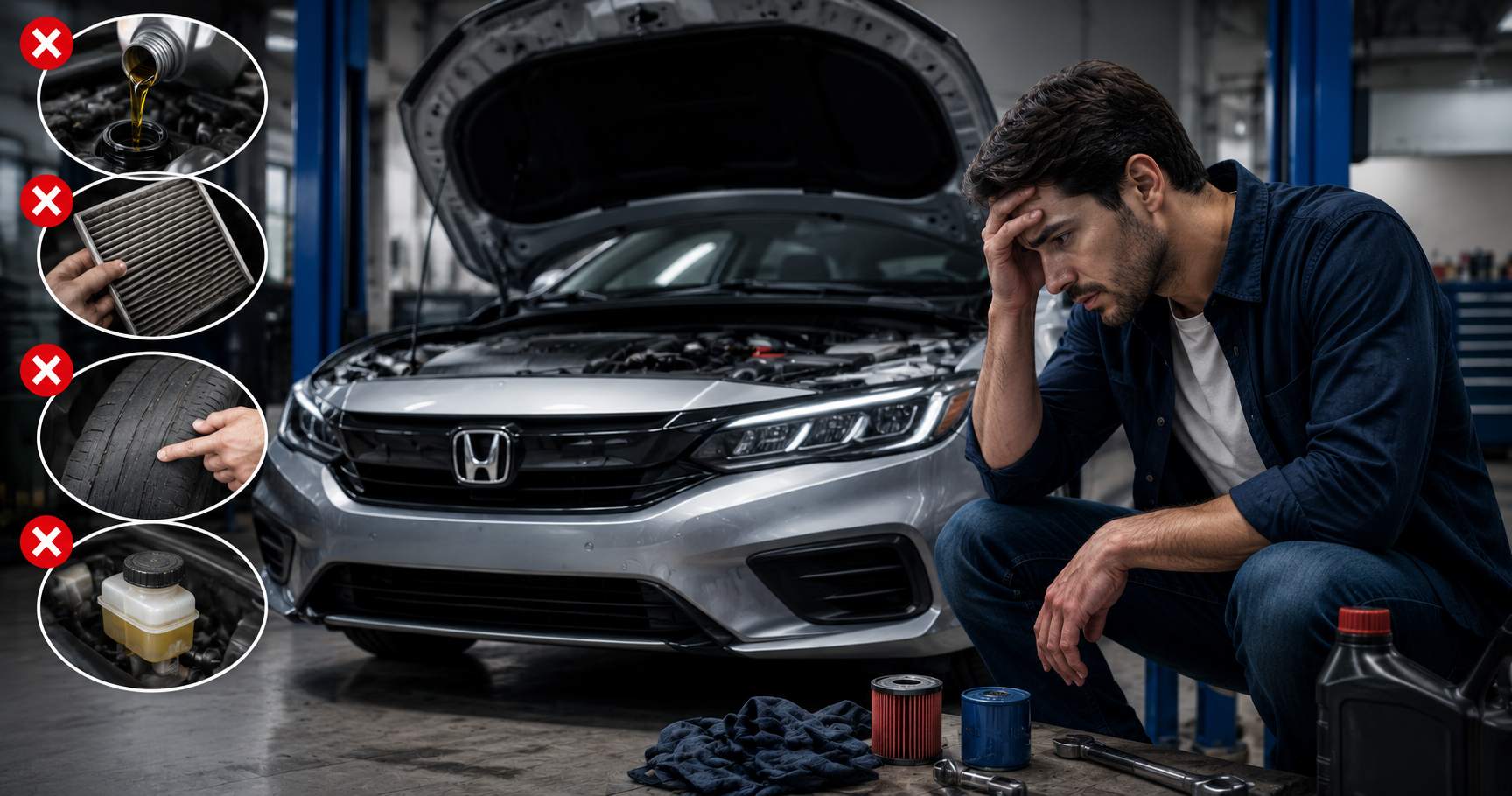
What Are the Most Common Honda Car Maintenance Mistakes Owners Make?
Let’s be honest. Most of us only think about car maintenance when something goes wrong. The engine light comes on, the brakes start making a weird noise, or the car suddenly feels sluggish on the highway. That’s when panic sets in and the repair bill that follows is rarely a small one.
Honda cars have a well-earned reputation for being tough and dependable. But even the best-built cars need regular attention. And unfortunately, a lot of Honda owners fall into the same traps without even realising it. Some of these mistakes seem harmless at first. Others quietly build up over time until they turn into something expensive and stressful.
So if you want to keep your Honda running the way it should, here are the most common maintenance mistakes to watch out for.
1. Skipping Regular Car Servicing
This one tops the list for a reason. Skipping a scheduled service is probably the single most damaging habit a car owner can develop.
When everything seems fine, it’s tempting to push the service date back by a few weeks. Then a few weeks becomes a month. Then two. Before you know it, you’re running the car on old oil, a clogged air filter, and components that haven’t been inspected in over a year.
Routine servicing is not just about changing the oil and sending you on your way. It’s a full health check for your car. Technicians look at belts, hoses, brake pads, fluid levels, and much more. Catching a small issue during a regular service is always cheaper than dealing with a breakdown on the road.
One of the most straightforward car maintenance tips out there is this: follow the manufacturer’s recommended service schedule without skipping. Your Honda’s owner manual lays it all out clearly. Stick to it.
2. Ignoring Engine Oil and Fluid Checks
Most car owners check their phone several times a day but rarely look under the bonnet. Engine oil, coolant, brake fluid, power steering fluid — these things need attention in between service visits too. Waiting only for your annual service to catch fluid issues is a risky habit.
Low engine oil is one of the leading causes of engine damage. It doesn’t always announce itself with a loud noise or a warning light right away. Sometimes the engine just quietly wears down over time because the oil level dropped and nobody noticed.
Here are some basic car care tips for staying on top of fluids:
- Check engine oil every few weeks, especially before a long drive
- Make sure the coolant reservoir is between the minimum and maximum mark
- Brake fluid should be clear or slightly yellow. Dark, murky brake fluid is a sign it needs replacing
- Check your windshield washer fluid too. It seems minor but poor visibility is a real safety risk
Get into the habit of a quick under-bonnet check every couple of weeks. It takes less than five minutes and can save you from a very expensive problem down the line.
3. Neglecting Tyre and Brake Maintenance
People tend to forget that tyres are the only point of contact between the car and the road. Everything acceleration, cornering, braking depends on four small patches of rubber. Yet tyre maintenance stays on the back burner for many owners until there is a flat or a blowout.
Under-inflated tyres wear unevenly, reduce fuel efficiency, and affect how the car handles. Over-inflated tyres reduce grip and make for a much harsher ride. Neither is good.
Some simple tyre and brake car service tips to follow:
- Check tyre pressure once a month. Keep a small pressure gauge in the glove box
- Rotate your tyres every 8,000 to 10,000 kilometres for even wear across all four
- If the car pulls to one side while driving straight, get the wheel alignment checked
- Watch out for vibrations in the steering wheel, it usually points to a tyre or suspension issue
Brakes deserve equal attention. A soft or spongy brake pedal, a car that takes too long to stop, or that unmistakable squealing sound when you press the brakes — none of these should be brushed aside. Brake pads wear down gradually, and replacing them at the right time is a fraction of the cost of replacing damaged rotors or calipers.
4. Ignoring Dashboard Warning Lights and Early Signs
The dashboard is your car trying to talk to you. Ignoring what it says is the equivalent of putting a piece of tape over the light and hoping for the best.
Some of the most commonly ignored warning lights include:
- Check Engine Light – one of the most misunderstood lights. It does not always mean disaster, but it should always be investigated
- Oil Pressure Warning – if this comes on while driving, pull over safely and check immediately. Driving with low oil pressure can destroy an engine in minutes
- Battery Warning – usually signals a charging system problem, not just the battery itself
- TPMS (Tyre Pressure Monitoring System) – do not dismiss this. One low tyre can affect braking distance significantly
Beyond warning lights, pay attention to sounds and sensations. A new rattle, a slight vibration, or a faint burning smell are all early signs that something has changed. These signals are part of following the best car maintenance tips. Address them early, before they escalate.
5. Delaying Small Repairs Until They Become Bigger Problems
A tiny oil leak. A chipped windshield. A wiper blade that smears more than it wipes. These things feel minor in the moment, but delay them long enough and they quietly grow into real problems.
The wiper blade that smears water across your windshield during heavy Mumbai rain becomes a visibility hazard. The small oil leak becomes a low oil situation that strains the engine. The chipped windshield spreads into a crack that compromises the structural integrity of the glass.
Some of the most commonly delayed repairs that end up costing more later:
- Worn timing belt — if this snaps, it can cause complete engine failure. Replacement on schedule is non-negotiable
- Air filter replacement — a clogged air filter hurts fuel efficiency and engine performance noticeably
- Wheel alignment — putting this off leads to uneven tyre wear that shortens tyre life significantly
- Minor coolant leaks — left unchecked, these lead to overheating and serious engine damage
A basic car maintenance checklist helps you track what has been done and what is due. It removes the guesswork and keeps small things from slipping through the cracks. Many of these small repairs are caught early during a routine inspection at a Honda car service centre in Mumbai, which is exactly why staying regular with your service visits pays off.
6. Poor Driving and Maintenance Habits
Cars reflect how they are driven. Rough driving habits accelerate wear on almost every major component. And some of these habits are so common that people do not even realise they’re doing damage.
Driving habits that quietly harm your Honda:
- Harsh braking and aggressive acceleration put extra strain on the engine, brakes, and tyres all at once
- Cold starts followed by immediately revving the engine — let the oil circulate for a minute first
- Keeping the fuel tank nearly empty regularly — this makes the fuel pump work harder and shortens its life
- Resting your hand on the gear lever while driving — this puts constant pressure on the transmission’s selector fork
Maintenance habits worth changing:
- Using non-Honda or cheap aftermarket parts to save money. They often cost more in the long run due to poor fit and faster wear
- Cleaning the car with dish soap or household detergents. These strip the protective wax coating and dull the paint over time
- Ignoring the interiors. Dust and humidity build-up leads to mould, bad odours, and deteriorating upholstery
Good car care tips are not complicated. Drive with a bit of patience, stay on top of your service schedule, and fix small issues before they grow.
To Wrap It Up
Honda cars are genuinely built to go the distance. But the key word there is built. After that, how long your car lasts is largely up to you.
The good news is that most of the mistakes in this list are completely avoidable. None of them require technical knowledge or a big budget. They just require consistency and a little attention.
If you are unsure about your car’s current condition or it has been a while since your last service, visit Viva Honda, as a trusted Honda car dealer in Mumbai, we have trained technicians who know your car inside and out. From routine oil changes to detailed inspections, everything is done to Honda’s own standards.
Frequently Asked Questions
Q1. How often should I get my Honda car serviced?
A. Honda recommends a routine service every 6 months or every 10,000 kilometres, whichever comes first. Regular servicing keeps your car performing at its best and helps catch small issues before they turn into expensive repairs
Q2. What is included in a basic car maintenance checklist for Honda cars?
A. A basic car maintenance checklist for your Honda should cover engine oil and filter change, coolant and fluid top-ups, brake pad and tyre inspection, air filter check, battery health test, and a check of all dashboard warning lights. Following this checklist regularly is one of the best car maintenance tips to keep your Honda in top condition.
Q3. What happens if I ignore dashboard warning lights in my Honda?
A. Ignoring dashboard warning lights can lead to serious and costly damage. For example, ignoring the oil pressure warning while driving can destroy your engine within minutes. The check engine light, battery warning, and tyre pressure indicator all point to issues that need prompt attention. Always get warning lights diagnosed as early as possible.
Q4. How do I know when my Honda’s brake pads need replacing?
A. The most common signs are a squealing or grinding sound when you apply the brakes, a soft or spongy brake pedal, or the car taking noticeably longer to stop. If you experience any of these, get your brakes inspected immediately. Delaying brake repairs is one of the most common car maintenance mistakes that puts your safety at risk.