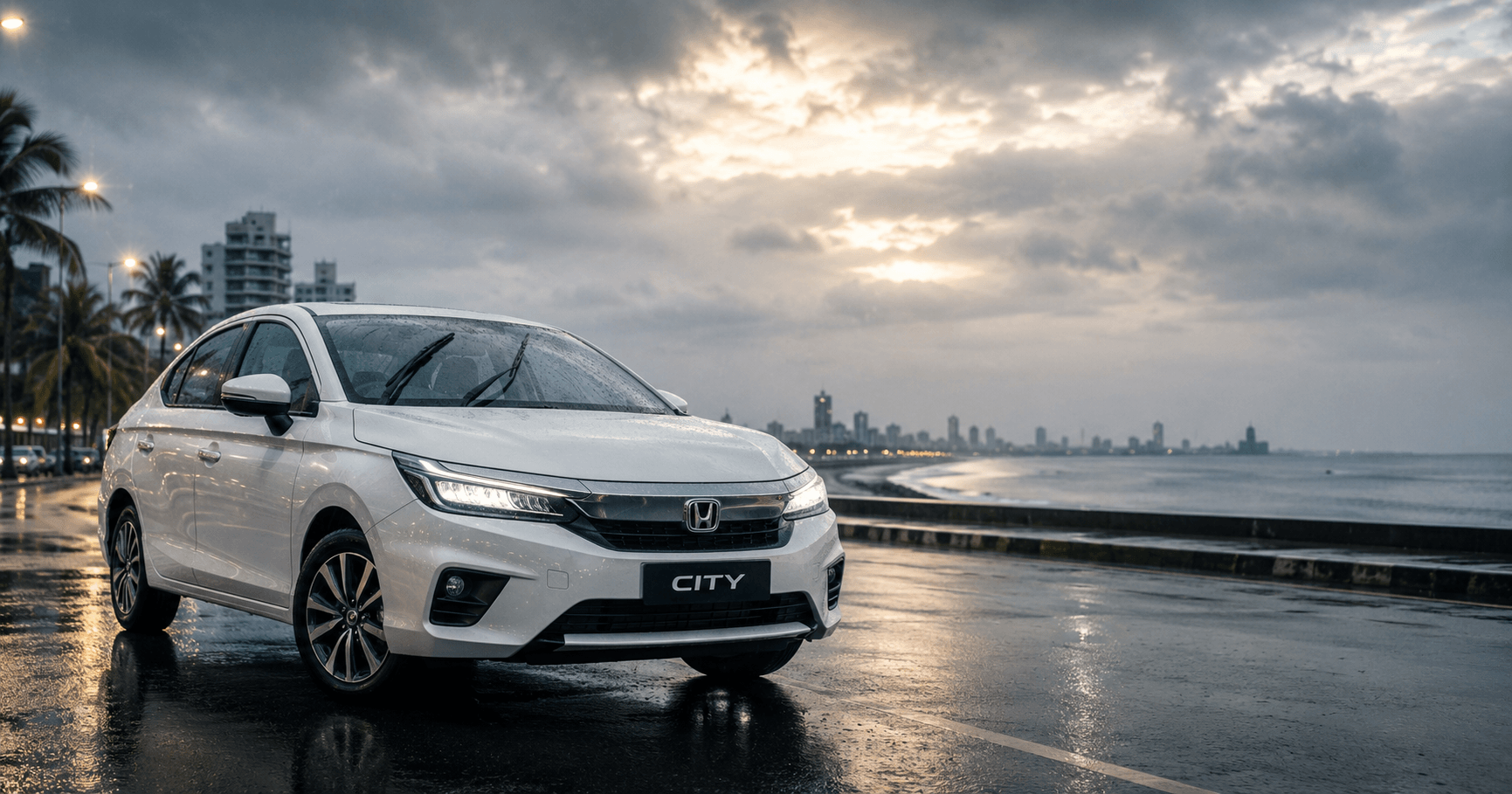
Ask any Mumbaikar and they will tell you, the moment the first heavy shower hits, the city becomes a completely different place to drive in. Potholes appear out of nowhere beneath ankle-deep water, visibility on the expressway drops drastically, and that funny noise your car was making since March suddenly becomes a very real problem.
If you have been putting off your car service, monsoon is the worst time to delay it any further. Getting your Honda checked before the rains settle in is genuinely one of the smarter things you can do as a car owner in this city.
Why Is Monsoon Car Preparation Important for Honda Owners in Mumbai?
A lot of people skip the pre-monsoon check thinking the car seems fine. What they do not realise is that issues like worn brake pads, cracked wiper blades, or a partially discharged battery are not obvious in dry conditions but become serious problems the moment the road is wet or visibility is low.
Following proper monsoon car care tips is not about being overly cautious. It is about making sure the car you depend on every day does not let you down at the worst possible moment. Some things you will notice on your own. Others only come up during a proper inspection at a Honda car service centre in Mumbai where technicians know exactly what to look for.
Skipping this check can lead to:
- Engine hydrolocking if water enters through the air intake during flooding
- Brake fade or failure when pads are too worn for wet conditions
- Battery failure when humidity affects already-weak cells
- Tyre skidding on slick roads due to worn tread
- Water seeping into the cabin through damaged door seals
None of these are minor inconveniences. Most of them are preventable.
What Are the Essential Monsoon Checks for Your Honda Car?
This is not a massive list. But every single item on it matters, and together they cover most of what goes wrong during monsoon season.
Tyres
Wet road grip depends almost entirely on your tyre tread. When the tread depth gets too low, water cannot clear fast enough from under the tyre and the car starts to hydroplane. Check all four tyres plus your spare. If any tyre is close to the wear indicator or older than five years, replace it before June. Also check tyre pressure since temperatures and humidity changes in the pre-monsoon period affect inflation levels.
Brakes
On dry roads, even average brakes manage. On wet Mumbai roads, braking distances go up considerably. Worn pads, a spongy brake pedal, or a car that pulls slightly to one side when you brake are signs you should not ignore. Brakes are a core part of Honda car maintenance, and getting them inspected before monsoon is non-negotiable.
Wipers and Washer Fluid
This one sounds minor until you are on the Western Express Highway during a heavy shower and your wipers are just smearing water across the windshield instead of clearing it. Wiper blades degrade with sun exposure and heat, and most people only notice how bad they are once it starts raining. Check them now, not after. Also refill the washer fluid reservoir so you can clear mud and grime off the glass while driving.
Battery
The combination of heat, humidity, and higher electrical usage during monsoon takes a toll on car batteries. Air conditioning running constantly, wipers on, headlights on during the day because of cloud cover, it all adds up. Get your battery’s charge and health tested. If it is already struggling to hold charge, replace it before the season rather than dealing with a no-start situation in the rain.
Lights
With visibility dropping significantly during heavy rain, your headlights, tail lights, brake lights and indicators are doing serious work. A blown bulb that you have been ignoring becomes a safety risk. Walk around the car and check every light. Better yet, let the service team do it as part of the full pre-monsoon inspection.
Which Honda Car Parts Need Extra Attention During Monsoon Season?
Beyond the usual checklist, a few specific parts on your Honda take more of a beating during Mumbai rains and are worth giving extra thought to.
Engine Air Filter
Humidity during monsoon means the air your engine breathes has more moisture and particulate matter in it. A filter that is already half-blocked gets clogged even faster. A choked air filter affects fuel efficiency and throttle response. If it has been a while since the filter was changed, this is a good time to swap it out.
Underbody and Chassis
Driving through flooded roads stirs up a lot of debris, mud, and chemically treated water. All of that splashes onto the underside of your car repeatedly over weeks and months. Rust and corrosion tend to start in spots you cannot see. An underbody wash followed by an anti-rust protective coating is one of the best investments you can make in your car’s long-term condition, especially given Mumbai’s road and water quality.
Door Seals and Rubber Gaskets
Run your fingers along the rubber seals around your doors and windows. If they are cracked, brittle, or have gaps, water will find its way into the cabin. You might first notice this as wet floor mats or a damp smell that does not go away. Getting the seals replaced or repaired early is cheaper than dealing with water-damaged interiors or mould later in the season.
AC System
People underestimate how much they rely on the AC during monsoon. It is not just about comfort. Switching on the AC in recirculation mode is the fastest way to clear a fogged-up windshield, which happens constantly when the outside air is cool and humid. If your AC is low on refrigerant or the cabin filter is clogged, it will not work efficiently. A quick AC service before the rains start makes a real difference in how safely you can drive.
What Cleaning and Maintenance Tips Help Keep Your Honda Monsoon-Ready?
A good service handles the mechanical side. But what you do in between matters just as much for keeping the car in shape across a four-month season.
- Wash the car regularly, not just when it looks dirty. Rainwater in Mumbai contains acidic pollutants that eat into paint and exposed metal if left sitting. A quick wash every week or ten days makes a real difference.
- Apply a wax or paint sealant before the monsoon starts. It creates a layer of protection that makes cleaning easier and keeps the paint from fading or oxidising through the season.
- After driving through flooded stretches, gently tap the brakes a few times once you reach a clear road. It helps dry out the disc surface and restore normal braking feel.
- Switch to rubber floor mats if you have not already. Fabric mats soak up water, stay wet for days, and encourage rust in the floor pan beneath them. Rubber mats are easier to pull out and dry.
- Never force your car through deep standing water. Even a well-maintained Honda can suffer serious engine damage if water is sucked into the air intake. If you cannot clearly see the road surface, find an alternate route.
These are not complicated habits. Doing them consistently just means fewer problems and lower repair bills by the end of the season.
Also Read: Signs Your Honda Car Needs Immediate Servicing
When Should You Actually Visit a Honda Service Centre Before Monsoon?
Honestly, the earlier the better. Monsoon in Mumbai tends to arrive in the first week of June, sometimes earlier. Waiting till the last week of May means the service centres are busier and you have less room to address anything that comes up during inspection.
A good rule of thumb is to book your pre-monsoon service in the last two weeks of May. This gives you enough time to get parts replaced if needed and still have the car back before the rains settle in.
You should definitely not delay if:
- The car has done more than 10,000 km since the last service
- You have noticed any warning lights, vibrations, or sounds that did not exist before
- It has been over six months since your last full service
- You are planning to drive to Pune, Goa, or any out-of-city trip during monsoon
At an authorised Honda car service centre in Mumbai, the technicians are trained specifically on Honda models. Whether you drive a Honda Amaze, City, or Elevate, the service is done with genuine Honda parts and model-specific tools. That matters, especially for electronic systems and engine calibration.
If you are in the market for a new car this season and want to understand total ownership costs, it is worth asking about the Honda Amaze on road price in Mumbai, which includes registration, insurance, and any applicable accessories. Our team at the dealership walks you through everything without any pressure.
Frequently Asked Questions
Q1. How often should I service my Honda car during monsoon season in Mumbai?
A- One proper pre-monsoon service before June is essential. Through the season, check tyre pressure, wipers, and fluid levels every few weeks.
Q2 What should I do if my Honda drives through a flooded road and the engine stops?
A: Do not try to restart it right away. Forcing a restart after water ingestion can cause serious engine damage. Switch on your hazard lights and call for roadside assistance.
Q3: Is the Honda Amaze a good car for Mumbai’s monsoon conditions?
A: Yes, it handles Mumbai’s wet roads well. The ground clearance, stable ride, and responsive brakes make it a practical everyday car through the rains.